• Play & Movement Report 2026

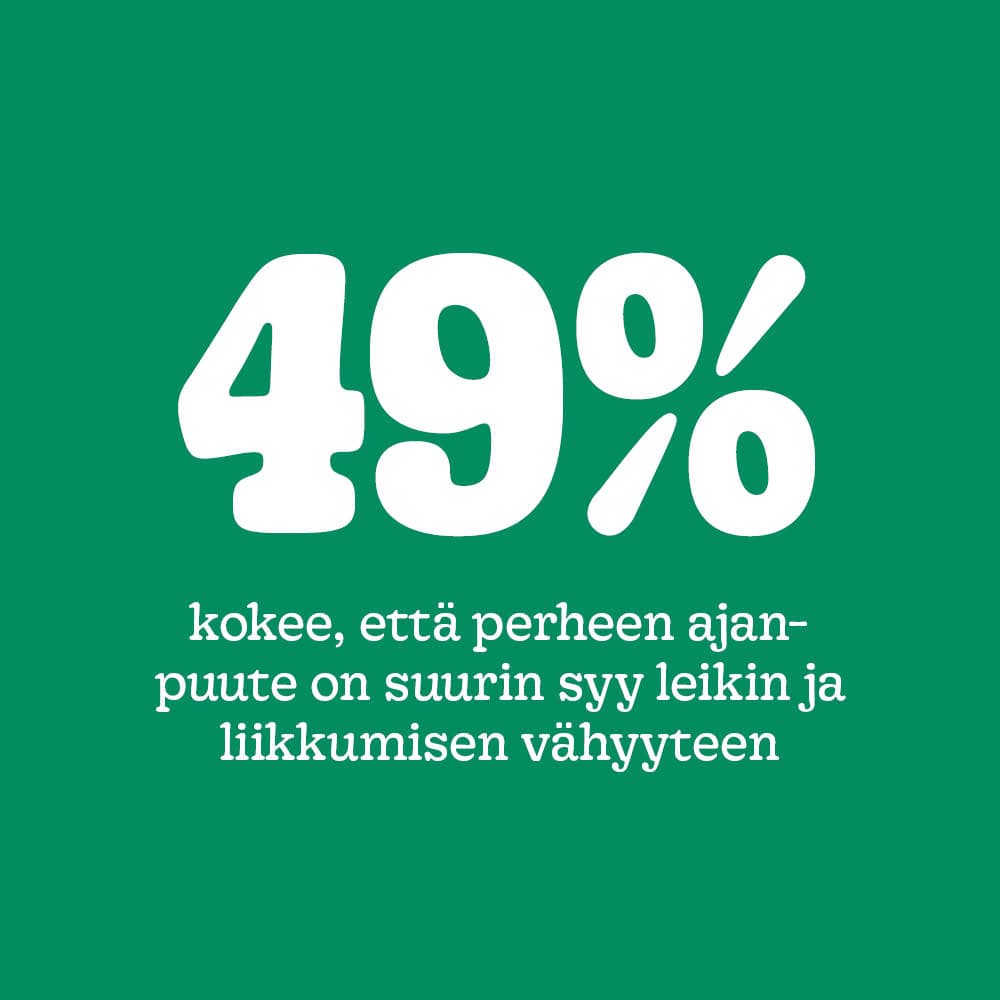
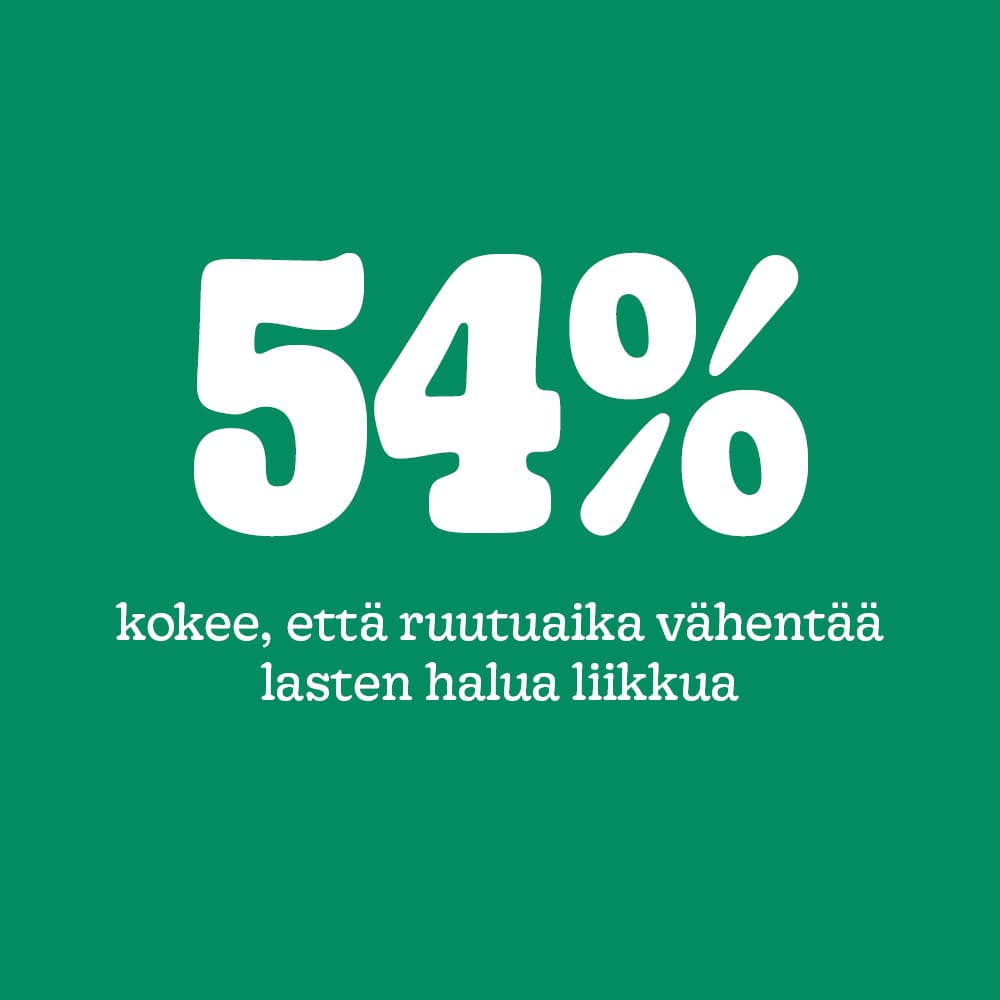
    Do you remember a time when children climbed trees, jumped in puddles and played outside for hours? Today, everyday life often looks different. Screens easily take up more space, and physical activity decreases as children grow older. Many parents recognize this. That’s why we wanted to understand what children’s everyday lives really look like today.

    Together with Norstat, Leo’s conducted a study where 2,000 parents of children aged 2–10 shared insights into their daily routines. The result is the Leo’s Play & Movement Report 2026 – a snapshot of how children play and move today, and what we can do differently.
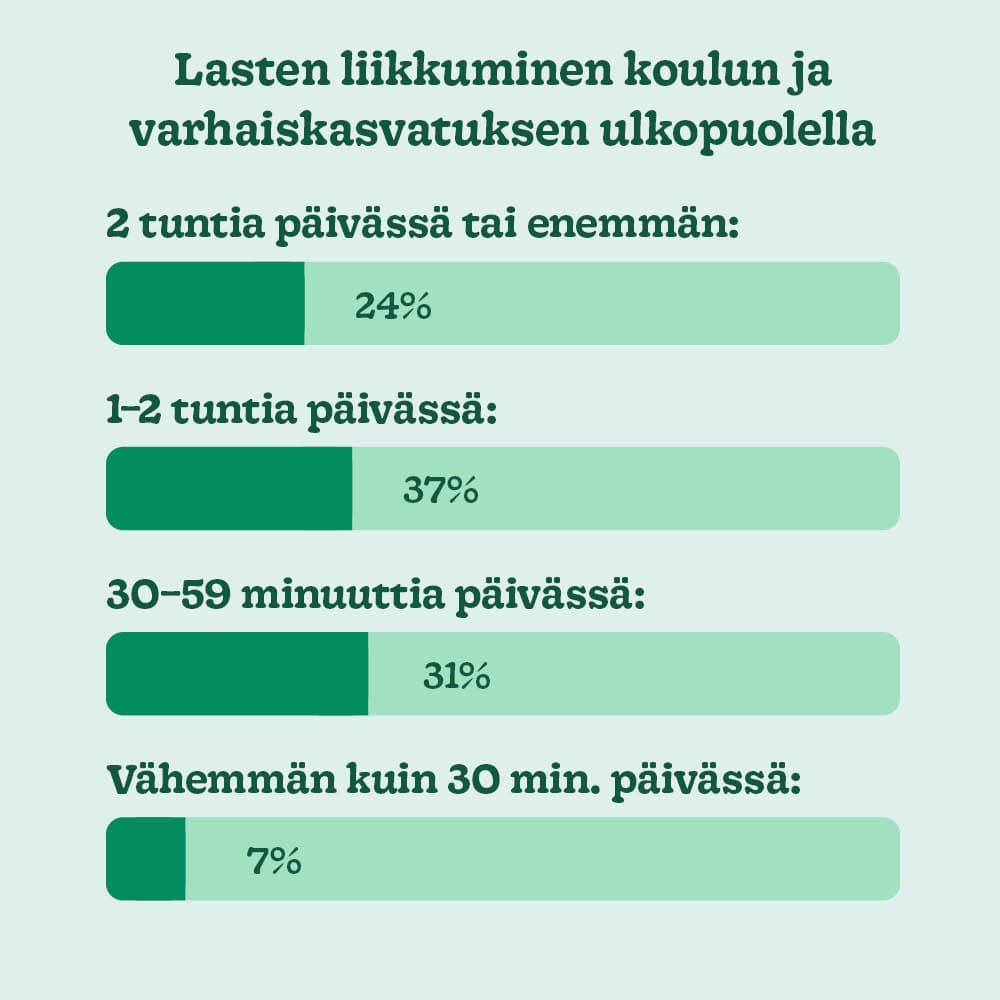
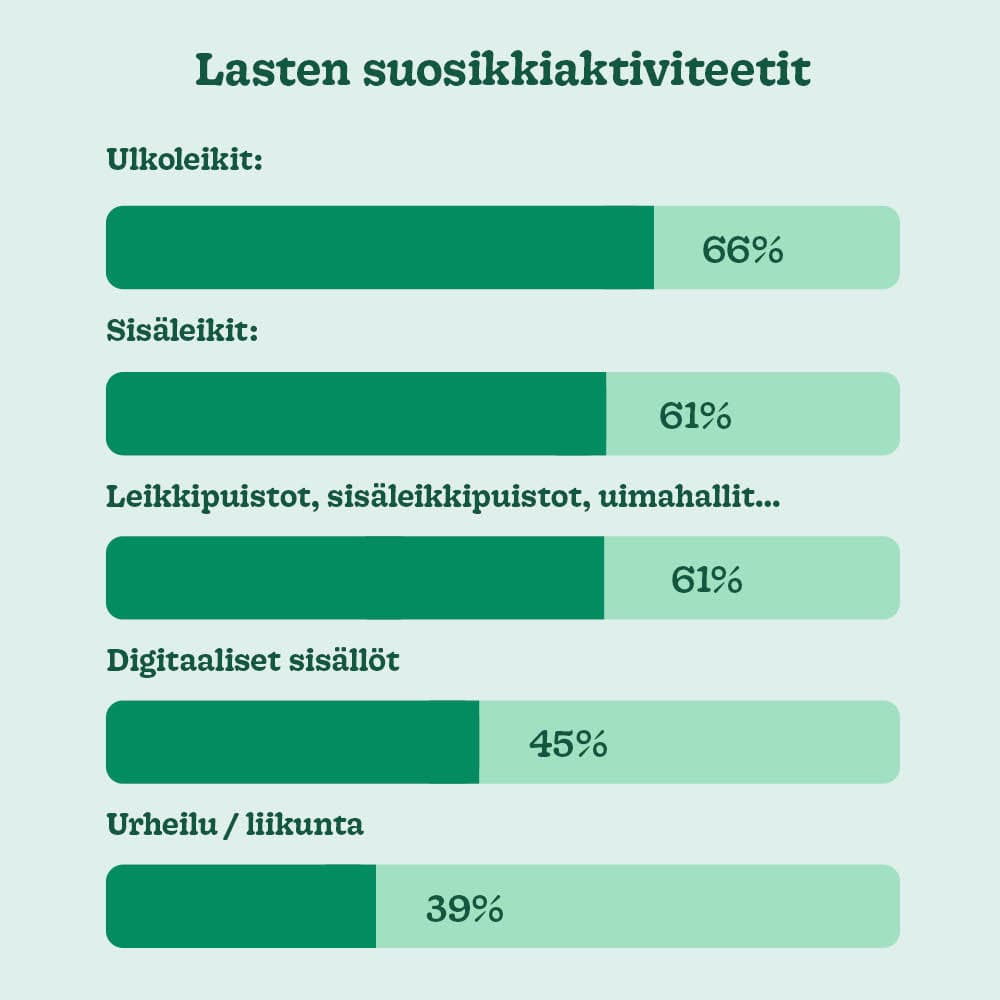
    Only one in three 10-year-olds plays actively every day

    Young children naturally move a lot. Nearly eight out of ten children aged 2–4 engage in physical play every day. But as children grow older, movement becomes less frequent. Among 10-year-olds, only just over one in three plays daily.

    At the same time, screen time is increasing. More than half of parents of 10-year-olds report that their child spends two to three hours or more in front of a screen every day.

    The report also highlights another important point: not all children find movement easy. One in five children sometimes avoids activities that require coordination, and over four in ten do not participate in organized sports.

    Purpose of the report

    The report brings together key insights into children’s play, movement and screen time today. Its purpose is to highlight the importance of play and physical activity for children’s development, and to increase awareness of how we can create more space for movement in everyday life.

    Read the report

    Why play matters

    Play is more than just a way to pass time. It is how children learn, grow and develop. Through play, children build language skills, problem-solving abilities and social skills.

    When play includes movement, the benefits grow even further. Physically active children find it easier to concentrate, sleep better and develop stronger self-confidence. That’s why small choices in everyday life make a big difference.

    How we can support a more active generation together

    Parents
    Give play more space in everyday life and help create a balance between screens and movement. Even small moments of activity can make a big difference.

    Schools and early childhood education
    Make movement a natural part of the day. Playful learning and inspiring environments support activity, curiosity and togetherness.

    Municipalities
    Invest in safe and accessible play areas and sports facilities where all children can move in their own way.

    Decision-makers
    Ensure that children’s movement is prioritized in society – and that support reaches children early in life.

    over 6,2 billion steps – and counting every day

    When children move through play, it doesn’t feel like exercise. At Leo’s, we see this every day: during one visit, a child takes on average 11,600 steps – without even noticing. Climb, dive, run, try again. Play through movement, move through play – and let the energy take over!